- Reception Entrance and First Dance
- Dinner Service: Budget More Time Than Feels Necessary
- Toasts: Timing and Order
- Parent Dances and Cake Cutting
- Open Dancing: Building and Holding Energy
- Building In a Natural Wind-Down
- Coordinating With Your Venue's Actual Curfew
- Adjusting for a Smaller or More Casual Reception
- Vendor Timing During the Reception
- Who Holds the Timeline During the Reception
- What Happens If the Timeline Slips
- Special Traditions and Where They Fit
- Photography Coverage Through the Reception
- Adjusting for a Larger Guest List
- A Sample Reception Timeline, Start to Finish
- Don't Aim for Perfect Execution
- The Real Purpose of a Timeline
- FAQ
A wedding reception timeline is really about pacing, since the same set of events, entrance, dinner, toasts, dancing, can feel either smooth or chaotic depending entirely on how they're sequenced and spaced. Here's how to structure the night so it actually flows.
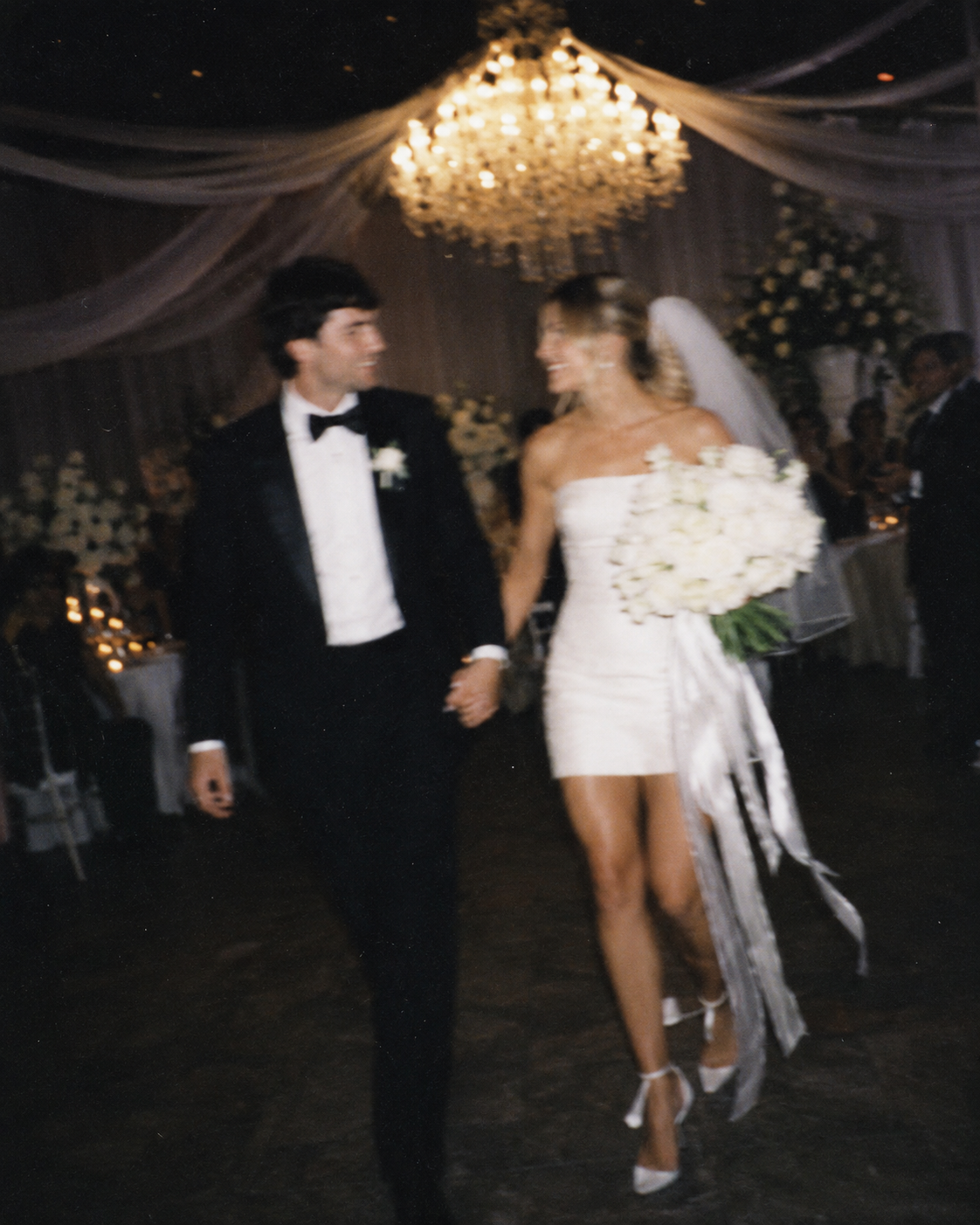
Reception Entrance and First Dance
Most receptions open with the wedding party and couple's entrance, followed by a first dance. Keep the entrance itself brief, guests are excited but also ready to sit down, and place the first dance either immediately after or right before dinner service starts, so it doesn't get lost later in the night once the energy shifts toward mingling and dancing.
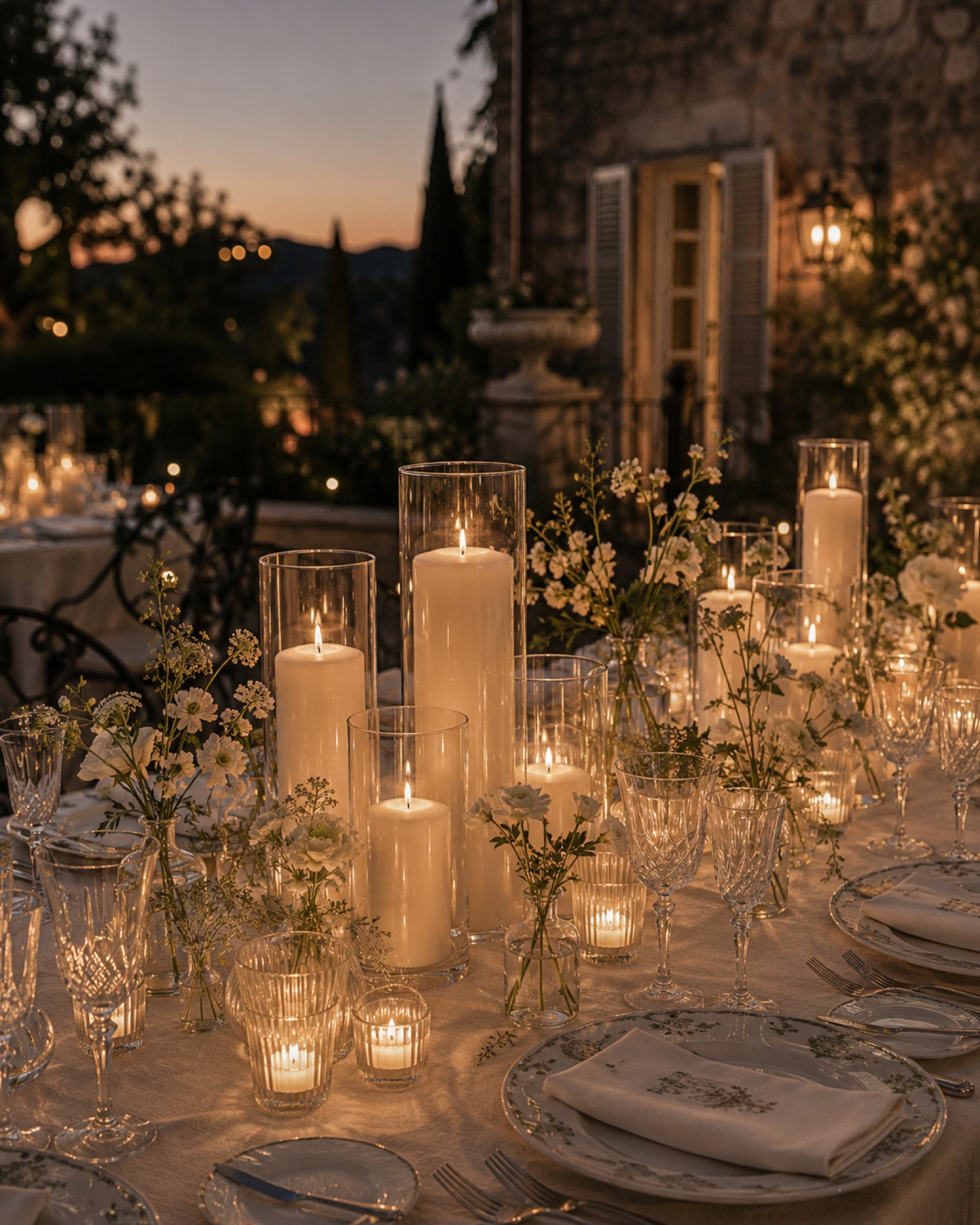
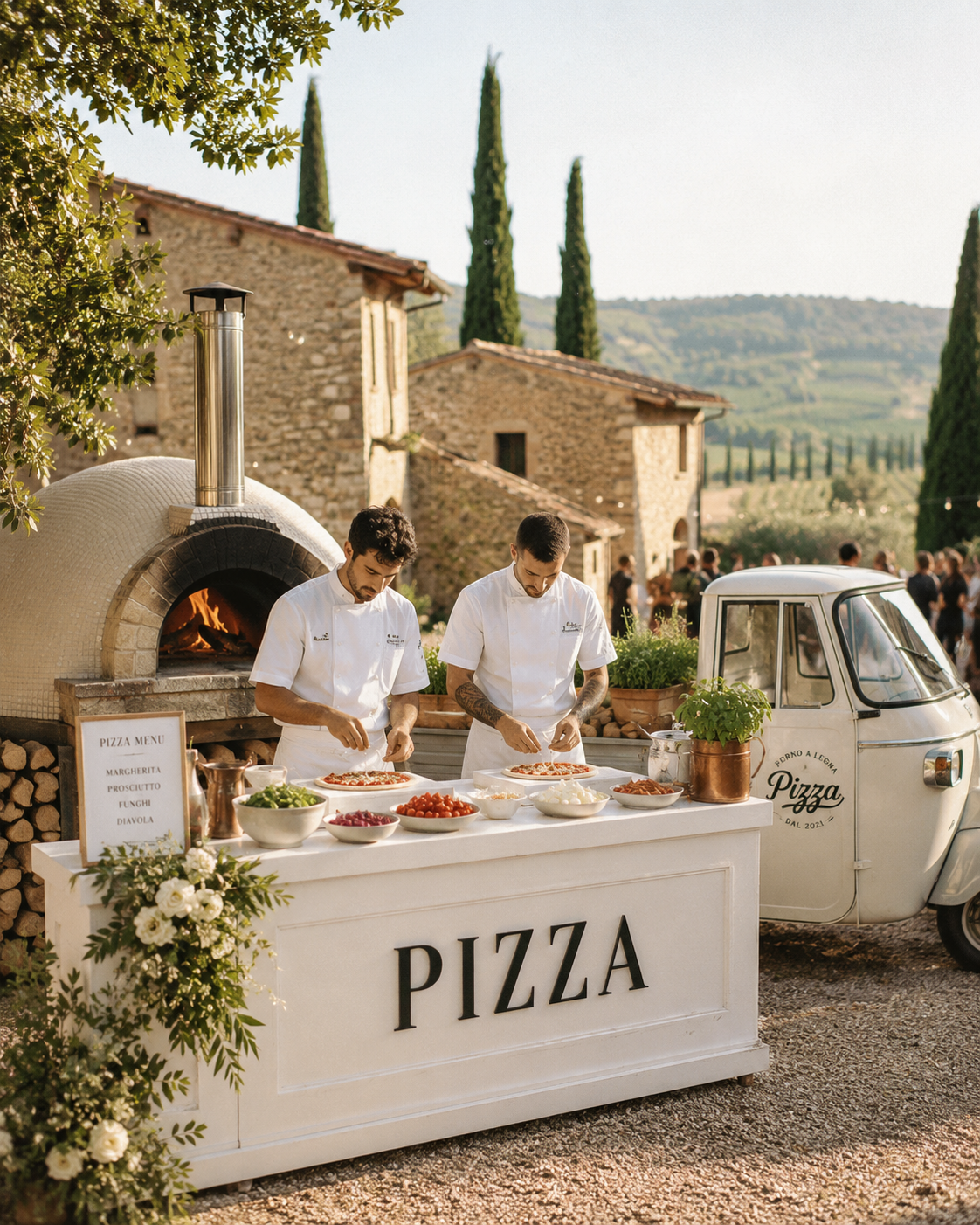
Dinner Service: Budget More Time Than Feels Necessary
Plated and family-style meals typically need 45 minutes to an hour once you account for serving multiple tables. Buffet service varies more based on guest count and number of buffet lines, ask your caterer for a specific estimate rather than guessing. Dinner is also a natural anchor point for toasts, since guests are seated and attentive in a way they won't be once dancing starts.
Toasts: Timing and Order
Schedule toasts during or right after dinner, while guests are still at their tables. A common order is best man, maid of honor, then parents if they're toasting, keeping each speech to 3 to 5 minutes to hold attention. Toasts that happen too late in the night, after guests have scattered to the dance floor or bar, consistently lose more of the room than early ones do.
Parent Dances and Cake Cutting
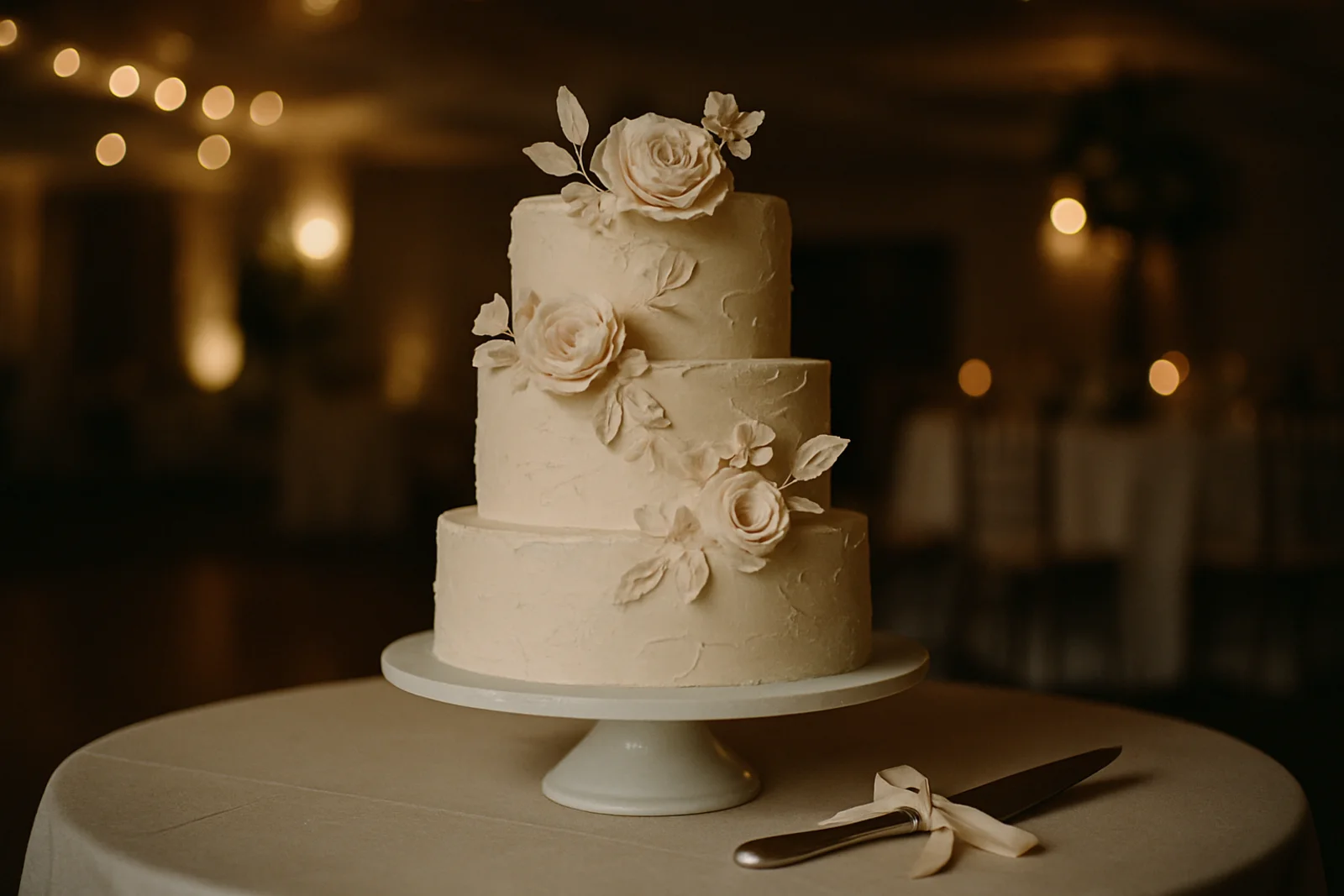
These typically happen back to back, either right after dinner or as a bridge into open dancing. Scheduling cake cutting earlier in the night, rather than saving it for the very end, has become more common since it lets catering staff start plating dessert while guests are still seated, instead of pausing the dance floor later to cut cake.
Open Dancing: Building and Holding Energy
Once open dancing starts, the goal is momentum, not a rigid schedule. A DJ or band reading the room matters more here than a fixed timeline, though it's worth flagging any specific songs or moments, a garter toss, a bouquet toss, a specific song request, ahead of time so they land at a natural point rather than interrupting a packed dance floor.
Building In a Natural Wind-Down
Rather than an abrupt stop, many receptions build in a clear signal that the night's ending, a last call announcement, a final song, sparkler exit, so guests aren't caught off guard. This is a small planning detail that meaningfully affects how the night feels in its final twenty minutes.
Coordinating With Your Venue's Actual Curfew
Confirm your venue's hard end time early, since some spaces have earlier noise ordinances or curfews than couples assume going in, especially venues in residential areas or with neighboring businesses. Build the reception timeline backward from that real cutoff rather than an aspirational one, so the night doesn't end abruptly mid-song.
Adjusting for a Smaller or More Casual Reception
Not every reception needs the full sequence outlined above. For a smaller or more casual celebration, it's fine to compress or skip elements, combining toasts with dinner announcements, skipping a formal cake cutting in favor of simply serving dessert. The goal of a timeline is to give the night shape, not to force every wedding into an identical structure regardless of size or style.
Vendor Timing During the Reception
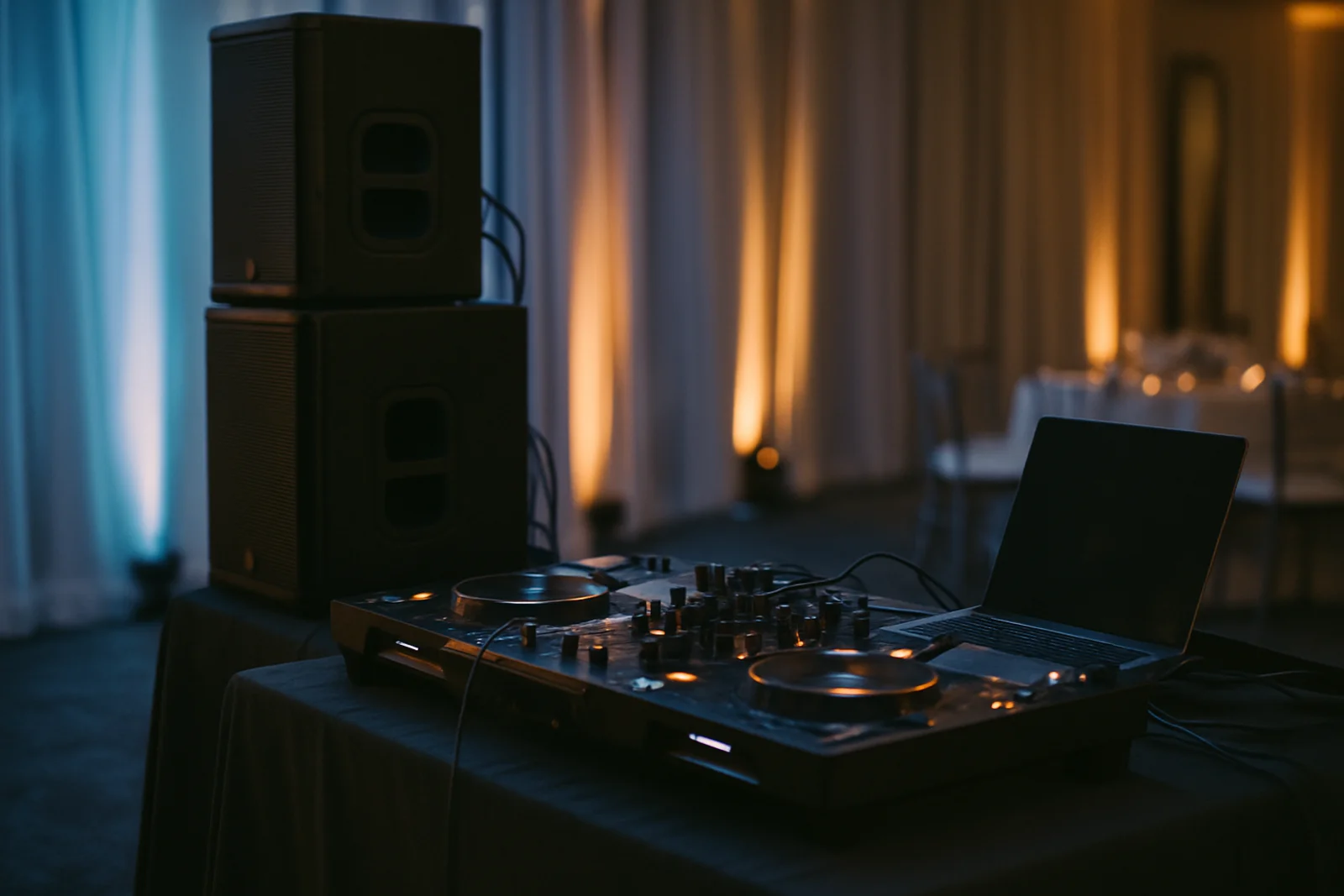
Beyond the guest-facing schedule, your caterer, DJ, and photographer all need their own internal timing cues, when to start clearing plates, when to cue the next song, when photo coverage shifts from candids to specific planned shots. Sharing the finalized reception timeline with every vendor in advance, not just verbally at the rehearsal, keeps everyone working from the same plan instead of guessing.
Who Holds the Timeline During the Reception
Once the reception starts, someone besides the couple needs to be tracking the schedule and cueing transitions, a day-of coordinator, planner, or often the DJ, who's already naturally positioned to manage pacing. Make sure whoever it is has the finalized version, saved somewhere they can reference quickly rather than a printout that got left in a car, so the night runs on the actual plan instead of improvisation. Saving it in WedThread and sharing it as a link works well for this, since anyone holding the timeline can pull it up without texting you mid-reception to ask what's next.
What Happens If the Timeline Slips
Even a well-built timeline sometimes runs behind, dinner service takes longer than planned, toasts run long. Build a small amount of flexibility into the plan by identifying ahead of time which elements are truly essential and which could be trimmed or shortened if the night is running late, so whoever's managing the timeline can make a quick call without needing to consult the couple mid-reception.
Special Traditions and Where They Fit
If your reception includes cultural or family traditions beyond the standard flow, a specific dance, a ceremonial toast, a particular ritual, decide early where it fits in the overall sequence and communicate it clearly to your DJ or band and coordinator. These moments matter a lot to the people involved, and they deserve a clear, unrushed slot in the timeline rather than being squeezed in wherever there happens to be a gap.
Photography Coverage Through the Reception
Confirm with your photographer exactly which reception moments are must-capture, versus which portions of the night they can step back from. Most couples want coverage through the key moments, entrance, toasts, cake cutting, first dances, but don't need continuous coverage through hours of open dancing. Being specific about this with your photographer ahead of time, rather than leaving it open-ended, helps them plan their own energy and shot list for the night.
Adjusting for a Larger Guest List
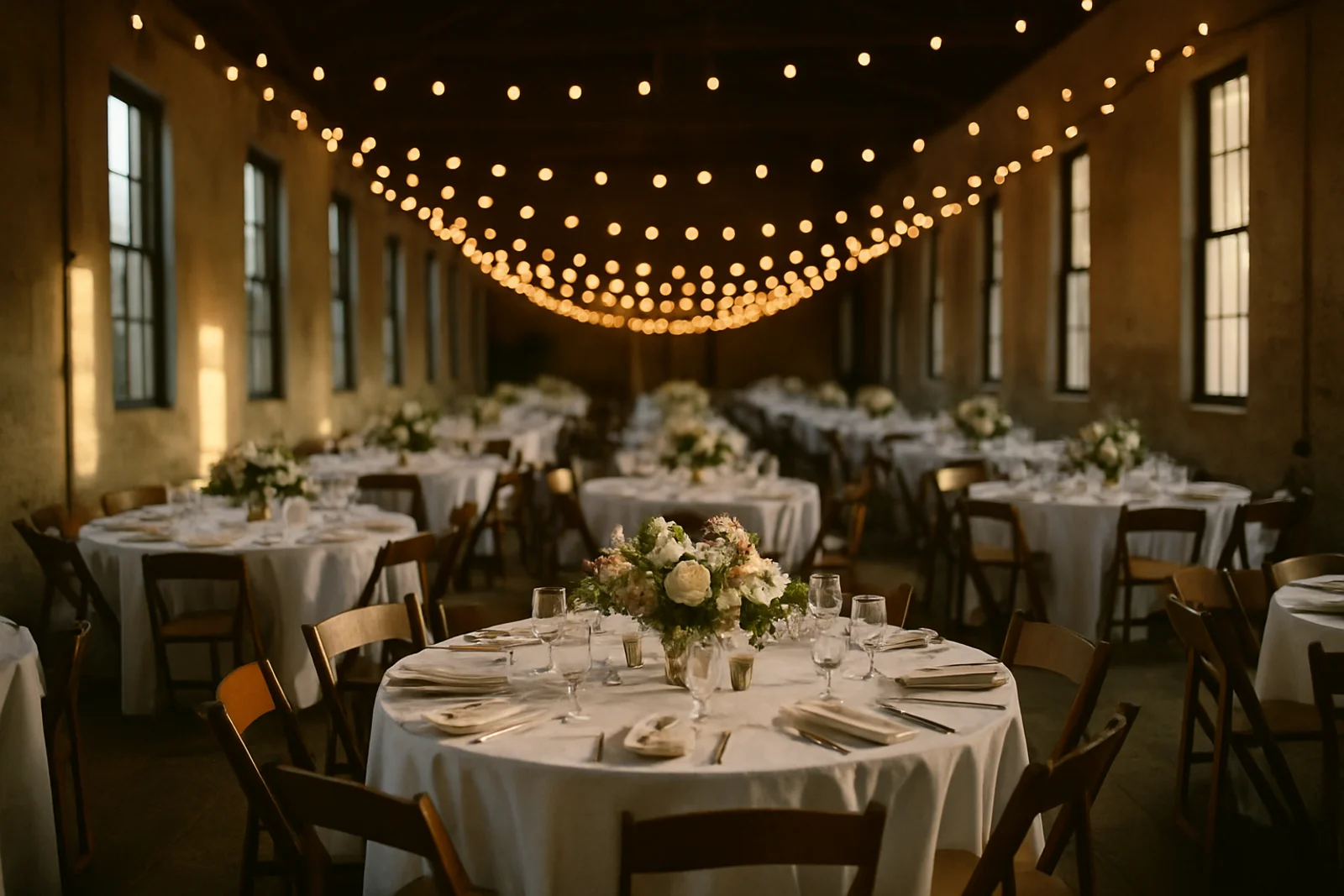
Larger receptions, 200 guests or more, often need extra time built into dinner service and any moment requiring guest movement, since everything simply takes longer with more people to coordinate. Adding 15 to 20 minutes of buffer across a couple of key transitions for a large guest list prevents the entire night from compounding delays by the final hour.
A Sample Reception Timeline, Start to Finish
6:00pm cocktail hour, 6:30pm reception entrance and first dance, 7:00pm dinner, 8:00pm toasts, 8:30pm parent dances and cake cutting, 9:00pm open dancing, 11:00pm last dance. Adjust every block based on your own ceremony end time, but this rough shape works for most standard evening receptions.
Don't Aim for Perfect Execution
Even the best-planned reception rarely runs exactly on schedule, and that's fine. A timeline is a guide for keeping the night moving, not a script that needs to be followed to the minute to count as a success.
The Real Purpose of a Timeline
None of this is about rigid control, it's about giving the night enough structure that everyone, including you, can actually relax and enjoy it instead of wondering what happens next.
Most receptions run 4 to 5 hours from entrance to last dance. Check your venue's actual end time first, since some spaces have earlier noise curfews than couples expect.
A common flow: entrance and first dance, dinner service, toasts, parent dances and cake cutting, then open dancing until the end. You can adjust this, but having some order keeps the night from feeling aimless.
Typically right after dinner service or between courses, while guests are still seated and attentive. Toasts scheduled too late, after people have started moving around, tend to lose the room.
45 minutes to an hour for a plated or family-style meal, less for buffet depending on guest count and how many buffet lines are set up. Confirm this specific number with your caterer rather than guessing.
Earlier is increasingly common, right after dinner or alongside parent dances, since it lets catering staff start cutting and plating dessert while guests are still at tables, rather than interrupting the dance floor later.
Have a day-of coordinator, planner, or DJ holding the timeline and cueing transitions. Saving the finalized version somewhere they can reference it, like WedThread, means nobody's relying on memory or a crumpled printout by hour three.