- Start With Your Ceremony Time, Not Your Wake-Up Time
- Sample Timeline for a 4pm Ceremony
- Adjusting for a Morning or Early Afternoon Ceremony
- Getting Ready: Give Yourself More Time Than You Think
- The First Look Question
- Photos: Where Timelines Usually Get Too Optimistic
- Ceremony Length and What Comes Right After
- Reception Flow: Entrance to Last Dance
- Vendor Arrival Times Belong on the Timeline Too
- Who Actually Runs the Timeline on the Day
- Building in Buffer Without Making the Day Feel Rushed
- What to Print or Share Beyond the Timeline Itself
- One Last Sanity Check
- FAQ
Every wedding day timeline looks a little different, but the panic behind building one is the same for almost everyone: too many moving parts, one fixed ceremony time, and a nagging feeling you're forgetting something. Here's a realistic hour-by-hour wedding day timeline you can actually copy, plus how to adjust it depending on when your ceremony actually starts.
Start With Your Ceremony Time, Not Your Wake-Up Time
This sounds obvious, but it's the mistake almost everyone makes first. Don't build your timeline forward from when you wake up. Build it backward from your ceremony time, since that's the one slot on the whole day that isn't moving. Once that's locked, hair and makeup, photos, and getting dressed all fall into place around it.
Sample Timeline for a 4pm Ceremony
Here's what a fairly typical day looks like when the ceremony starts at 4pm:
9:00am, hair and makeup begins for the wedding party.
12:30pm, getting into the dress and suit.
1:00pm, first look and wedding party photos, if you're doing a first look.
2:30pm, family formal photos.
3:30pm, guests start arriving, wedding party lines up.
4:00pm, ceremony begins.
4:30pm, cocktail hour starts.
5:30pm, reception entrance and first dance.
6:00pm, dinner service.
7:00pm, toasts.
7:30pm, parent dances, cake cutting.
8:00pm, open dancing begins.
10:30pm, last dance.
Shift every block earlier or later based on your actual ceremony time, but keep the order roughly the same.
Adjusting for a Morning or Early Afternoon Ceremony
Not every wedding follows the classic late-afternoon shape. For an 11am ceremony, hair and makeup often needs to start as early as 5:30 or 6am, which sounds brutal but works fine if the wedding party knows going in. The upside is a full afternoon for photos in good light and a reception that can run into the evening without anyone watching the clock for an 11pm cutoff. For a very early ceremony, confirm your hair and makeup team can actually start that early, some artists have a minimum start time, and it's worth knowing before you build the rest of the day around it.
Getting Ready: Give Yourself More Time Than You Think
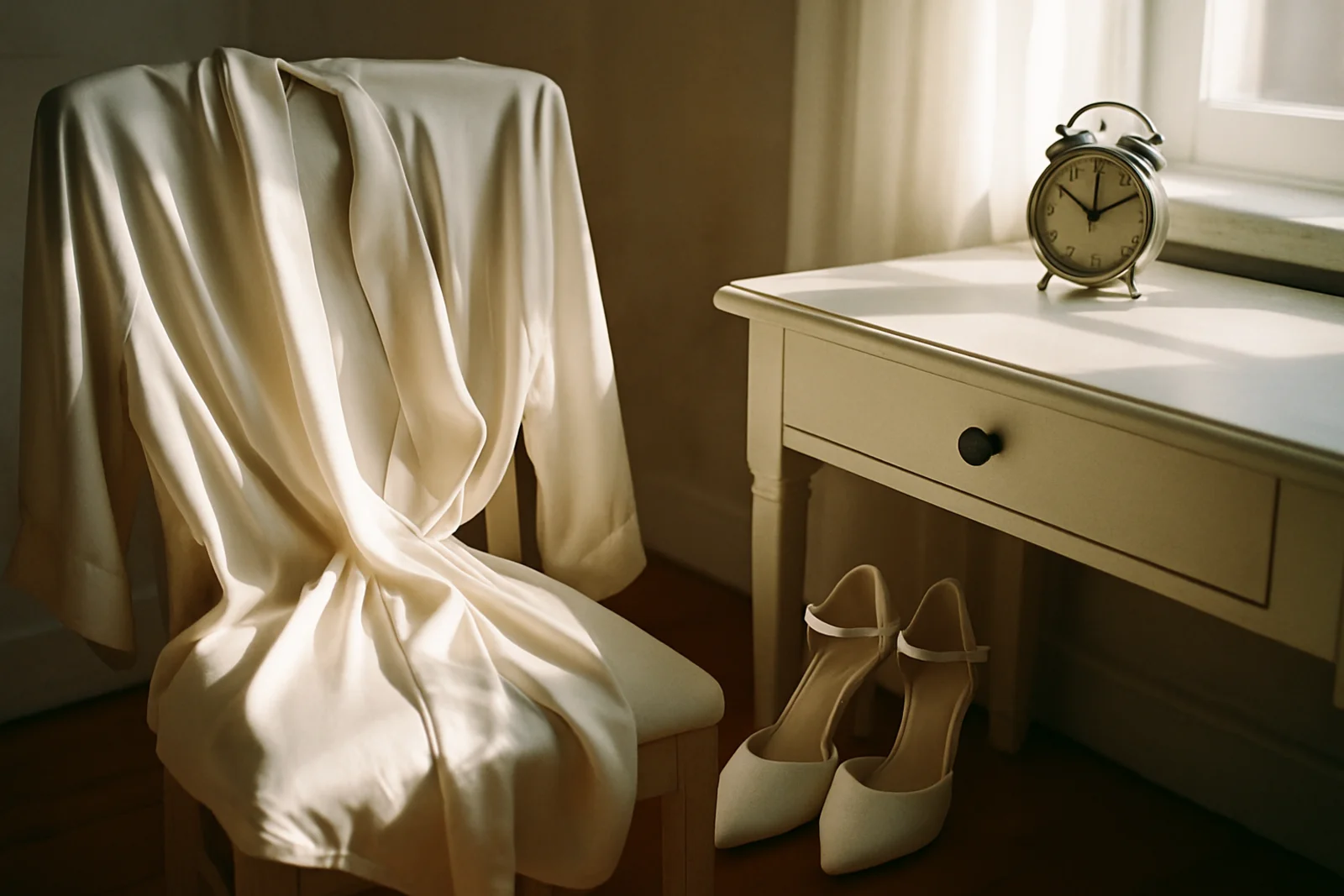
Hair and makeup almost always runs long, especially with a full wedding party. Budget 2 to 3 hours for the bride alone, and add extra time per additional person getting hair and makeup done. This is the single most common place timelines fall apart, so pad it more than feels necessary.
The First Look Question
Whether to do a first look changes your whole afternoon. Doing one means most photos happen before the ceremony, which frees up your actual cocktail hour to mingle instead of standing for photos while your guests eat appetizers without you. Skipping it keeps the traditional walk-down-the-aisle reveal, but it pushes wedding party and couple photos into cocktail hour, which tends to feel rushed. Neither choice is wrong. Just build the rest of the timeline around whichever one you pick.
Photos: Where Timelines Usually Get Too Optimistic
Photographers will tell you the same thing almost every time: couples underestimate how long photos take. Family formals alone can eat 30 to 45 minutes once you're wrangling grandparents, siblings, and a wedding party of ten. Build in more time than your gut says, and give your photographer a shot list ahead of time so nobody's improvising group combinations on the spot.
Ceremony Length and What Comes Right After
Most standard ceremonies run 20 to 30 minutes, though religious ceremonies with additional readings or rituals often run longer. Confirm this directly with your officiant rather than guessing, since it shifts everything after it. Right after the ceremony, build in 10 to 15 minutes of buffer for hugs, congratulations, and the walk to wherever cocktail hour is happening. It never goes as fast as planned.
Reception Flow: Entrance to Last Dance
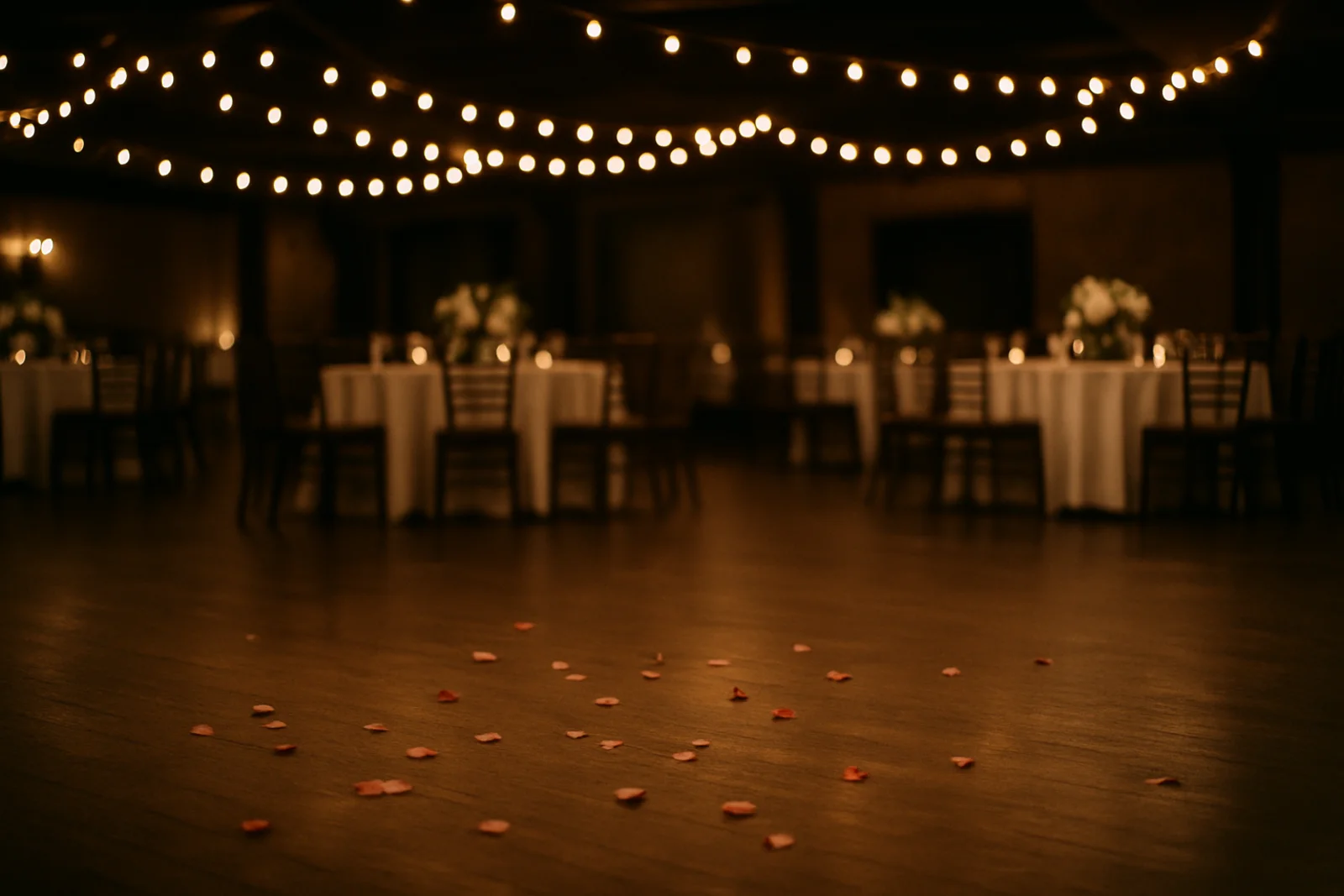
A typical reception runs 4 to 5 hours from cocktail hour through last dance, but check your venue's actual end time first, since some spaces have earlier noise curfews than couples expect. A common flow is entrance and first dance, dinner, toasts, parent dances and cake cutting, then open dancing until the end. You don't have to follow this order exactly, but having some order keeps the night from feeling aimless.
Vendor Arrival Times Belong on the Timeline Too
It's easy to build a timeline entirely around the couple's schedule and forget it needs to account for vendors too. Your photographer typically needs to arrive before hair and makeup wraps to catch getting-ready shots. Florists usually need access to the ceremony and reception space at least an hour or two before guests arrive. The DJ or band needs load-in and soundcheck time, often more than people expect, especially for a live band. Building vendor arrival windows into the actual timeline document, not just assuming everyone will show up at the right time, avoids a surprising number of day-of scrambles.
Who Actually Runs the Timeline on the Day
The timeline only works if someone besides the couple is holding it and keeping things moving. That's usually a day-of coordinator, but it can also be a reliable friend, a planner, or your venue's own coordinator if they offer that service. Whoever it is, make sure they have the final version, not an early draft from three months ago. The easiest way to lose a finished timeline is to leave it buried in an old email or a group chat from two months back. WedThread saves links, photos, and screenshots like this from anywhere and sorts them into categories like Planning/Tips automatically, so when your photographer or planner needs the schedule, you can share it as a link instead of digging through your messages for it.
Building in Buffer Without Making the Day Feel Rushed
The instinct when a timeline feels tight is to cut buffer time first, since it's the only part that isn't technically "doing" anything. Resist that instinct. Buffer time is what absorbs the inevitable small delays, hair and makeup running ten minutes over, a photo group taking longer to assemble, guests trickling in slower than expected, without those delays cascading into the rest of the night. A timeline with zero slack looks efficient on paper and falls apart by 2pm in practice. Fifteen minutes of buffer scattered across three or four key transition points does more for how the day actually feels than almost any other planning decision.
What to Print or Share Beyond the Timeline Itself
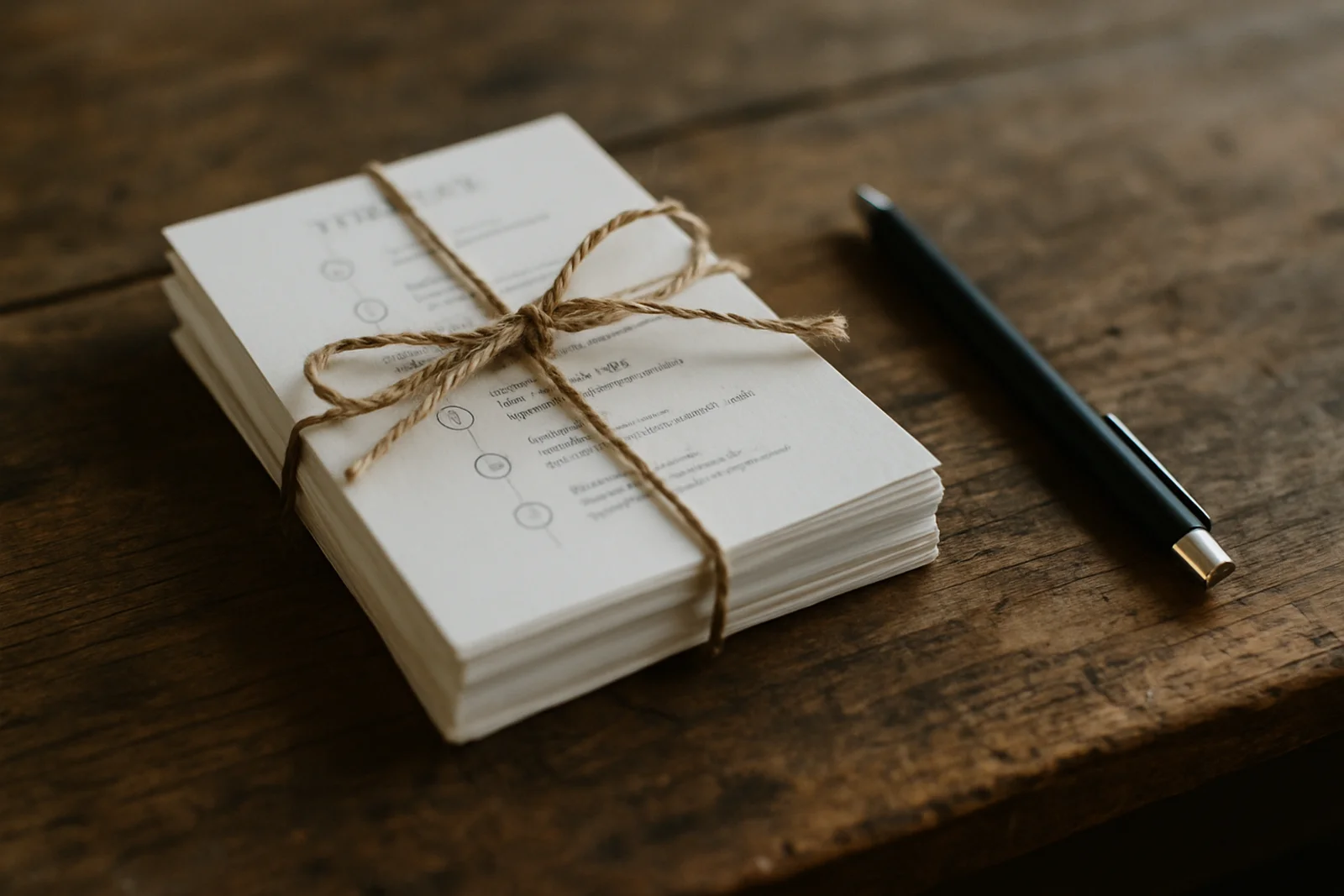
The timeline works best alongside a couple of companion documents: a shot list for the photographer, a list of who's in which family formal grouping, and a simple map or note of where vendors should go on arrival if the venue layout isn't obvious. None of these need to be elaborate. A day-of coordinator or reliable friend holding all of this, not just the hour-by-hour schedule, is what actually keeps a wedding day running close to plan.
One Last Sanity Check
Before finalizing, read through the whole day once more from a guest's perspective, does it make sense, is there too much downtime, does anything feel rushed. This simple exercise catches pacing issues that are easy to miss when you're deep in the individual blocks and details.
Work backward from your ceremony time. Most brides need 2 to 3 hours for hair and makeup before photos start, so if your ceremony is at 4pm, hair and makeup often starts around 9 or 10am.
Most ceremonies run 20 to 30 minutes for a standard service, longer for religious ceremonies with additional rituals. Always ask your officiant directly since this varies a lot by faith and tradition.
It's personal preference, not a rule. A first look lets you knock out most photos before the ceremony, which frees up more time at cocktail hour for you to actually attend it. Skipping it keeps the traditional reveal but usually means a longer photo session during cocktail hour.
Plan for 1.5 to 2 hours total across getting ready shots, first look (if you're doing one), wedding party photos, and family formals. Rushed photos are one of the most common regrets couples mention after the wedding.
Most receptions run 4 to 5 hours from cocktail hour to last dance. Check your venue's actual cutoff time first, since some venues have earlier noise ordinances or curfews than you'd expect.
About 2 to 4 weeks before the wedding, once final vendor arrival times and guest counts are locked in. Share it with your photographer, planner, and wedding party as soon as it's set.
It helps a lot, but it's not required. If you don't have one, ask a reliable friend, your venue coordinator, or your planner to hold the printed timeline and keep things moving so you're not the one checking the clock.
Somewhere everyone involved can actually pull it up, not just a printout sitting in your bag. Saving it in a shared feed like WedThread, alongside your other day-of details, means your planner or photographer can check it without texting you mid-getting-ready.