- The Essentials: Date, Location, and RSVP
- A Basic Schedule
- Venue Details and Directions
- Accommodations for Out-of-Town Guests
- Registry Information
- Dress Code
- RSVP Details and Deadline
- Wedding Party Introductions
- Your Story
- FAQ Section for Common Guest Questions
- COVID or Health-Related Guidance, If Relevant
- Contact Information for Questions
- Keeping the Content Organized Before Building
- Keeping It Updated as Details Change
- Choosing a Website Builder
- Password Protecting Sensitive Information
- Mobile-Friendly Design Matters More Than It Seems
- FAQ
A wedding website has become one of the more genuinely useful modern wedding planning tools, but it's easy to either under-build it, leaving guests without key details, or over-build it with sections nobody actually needs. Here's what belongs on it.
The Essentials: Date, Location, and RSVP
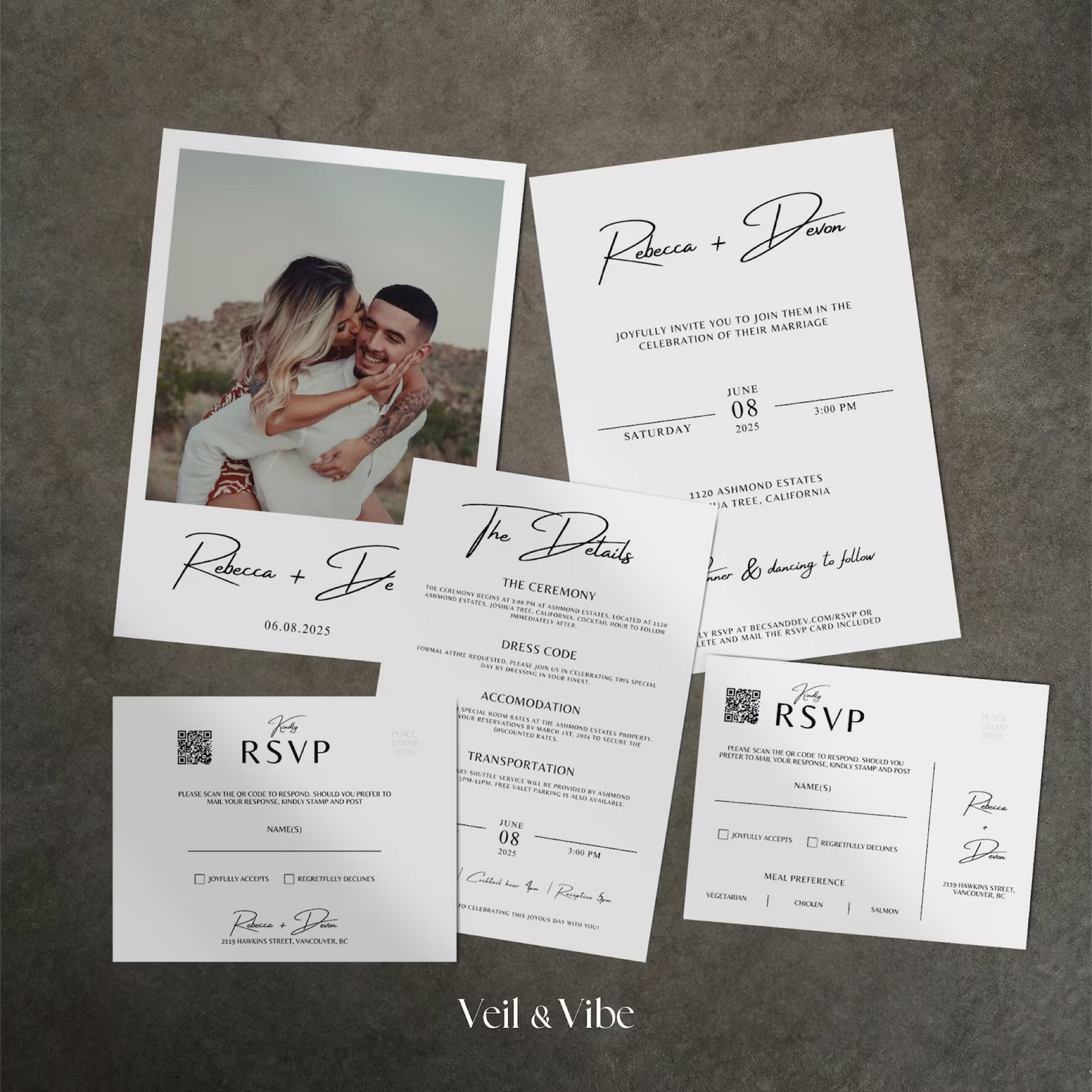
At minimum, a wedding website needs the wedding date, ceremony and reception locations, and a clear way to RSVP. These three pieces of information are the actual job of the website, everything beyond this is genuinely helpful but secondary to making sure guests know when and where to show up and how to confirm attendance.
A Basic Schedule
A general schedule, ceremony start time, cocktail hour, reception, gives guests a sense of the day's shape without needing a minute-by-minute breakdown. This is especially useful if the ceremony and reception are in different locations, so guests know how much time they have to transition between the two.
Venue Details and Directions
Beyond just naming the venue, include the full address, parking information, and any notable access details, a venue with limited parking, a location requiring a shuttle, or an entrance that's easy to miss. This is a small addition that prevents a surprising amount of day-of guest confusion.
Accommodations for Out-of-Town Guests
If a meaningful portion of your guest list is traveling, include recommended hotels, any room blocks you've arranged, and general transportation guidance, rideshare availability, whether a car is necessary. This section matters most for destination or travel-heavy weddings but is worth including even for a mostly local guest list with some travelers.
Registry Information
Linking your registry directly on the wedding website is standard practice and generally considered more appropriate than including registry details on the physical invitation itself. If you're registered across multiple stores, most website builders let you consolidate them into one unified registry page.
Dress Code
If your wedding has a specific dress code, formal, black tie optional, beach casual, spell it out clearly rather than leaving guests to guess based on the venue or time of day alone. This is one of the more common sources of guest anxiety when it's left ambiguous, and a clear line on the website solves it easily.
RSVP Details and Deadline
Beyond just a way to RSVP, include the actual deadline clearly, along with any meal selection or plus-one details that need to be communicated. A website RSVP system that automatically tracks responses saves real manual tracking work compared to a mailed RSVP card system.
Wedding Party Introductions
Optional, but a popular addition, brief introductions to the wedding party give out-of-town or less-connected guests a bit of context about who's who, especially useful for guests attending who may not know your full circle of friends and family.
Your Story
A short "how we met" or engagement story section is one of the more personal, optional additions to a wedding website. It's not essential information, but it adds warmth and helps guests, especially ones from different parts of your life who don't know the full story, feel more connected to the day.
FAQ Section for Common Guest Questions
A short FAQ addressing common logistical questions, is there parking, are kids invited, what's the weather likely to be, saves you from fielding the same individual questions repeatedly by text or email as the date approaches.
COVID or Health-Related Guidance, If Relevant
If there's any health-related guidance relevant to your wedding, indoor versus outdoor considerations, any requests of guests, a brief, clearly stated section avoids ambiguity without needing to make it a major focus of the website.
Contact Information for Questions
A simple way for guests to reach out with questions, an email address or a designated point of contact, especially useful for logistics questions that don't fit neatly into an FAQ. This is a small addition that reduces the volume of scattered questions coming directly to the couple.
Keeping the Content Organized Before Building
Pull together your venue details, schedule, and any travel or accommodation information in one place before sitting down to actually build the website, rather than trying to draft content directly inside a website builder's interface. Keeping this alongside your other wedding planning in WedThread, where you're likely already tracking vendor and logistics details, makes assembling the final website content noticeably faster.
Keeping It Updated as Details Change
A wedding website isn't a one-time build, details shift, a venue changes, an RSVP deadline moves, and the website should reflect the current, accurate information rather than what was true when it first went live. A quick review pass a few weeks before the wedding catches anything that's gone stale.
Choosing a Website Builder
Most registry platforms and dedicated wedding planning services offer free or low-cost website builders with templates covering everything outlined here. Rather than comparing every available option exhaustively, picking one with a template style you genuinely like and building from there tends to be faster than trying to find a theoretically perfect platform.
Password Protecting Sensitive Information
If your website includes information you'd rather not be publicly searchable, exact addresses, detailed itineraries, most website builders offer a simple password protection option. This is worth using for any details you'd only want actual invited guests to see, while keeping general information, like the fact that you're getting married, publicly accessible if you want.
Mobile-Friendly Design Matters More Than It Seems
Most guests will check a wedding website from their phone, often while confirming a detail on the go, so it's worth actually viewing your finished site on a mobile screen before sharing it widely. A site that reads perfectly on a laptop but requires excessive pinching and zooming on mobile creates real friction for the majority of guests checking it.
The date, venue location, and RSVP method are the true essentials. Everything else is helpful but not strictly necessary for guests to know how and where to show up.
Yes, most couples link registries directly on the wedding website, which is generally considered more appropriate than including registry information on the physical invitation itself.
If your wedding has a specific dress code, formal, black tie, beach casual, spelling it out clearly on the website prevents a lot of guest uncertainty and last-minute questions.
A general timeline, ceremony time, reception start, is helpful, but overly detailed minute-by-minute schedules aren't necessary for guests and can make the day feel more rigid than it needs to.
Generally alongside or shortly after save the dates, so guests have somewhere to reference details as they arise, well before the formal invitation goes out with RSVP details.
Draft your venue details, schedule, and any vendor or travel information in one place before building the actual site. Keeping this alongside your other wedding planning in WedThread makes pulling it all together for the website builder faster than hunting across scattered notes.